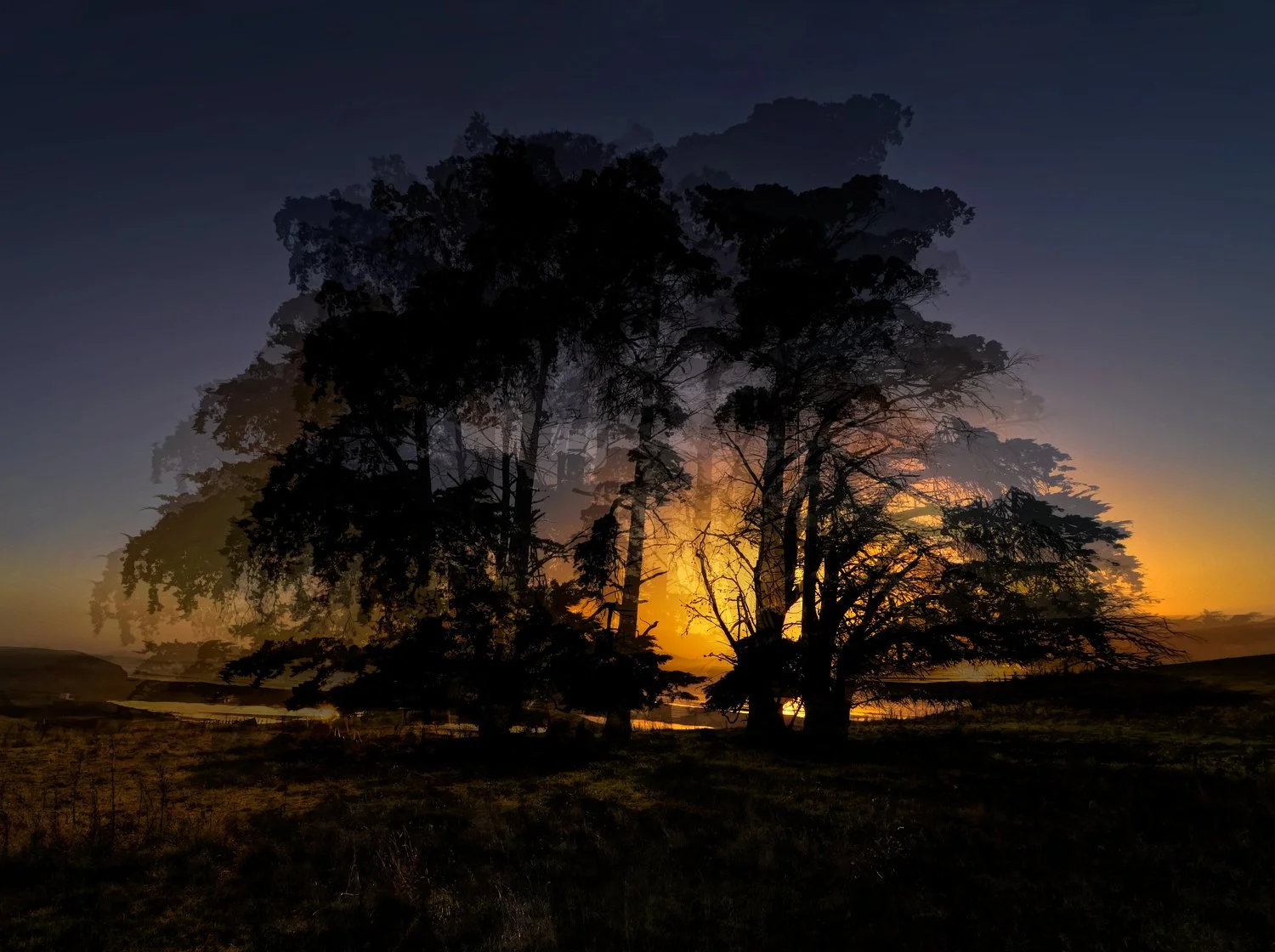
My 45 year career as an ecological and social researcher and teacher guides my photographers eye and what I tend to point my camera at.
I continue my science research as a Professor Emeritus at the Centre for Sustainability Research, University of Otago, in Dunedin, New Zealand. Although retired from teaching, I contribute ongoing part -time research for the Wildlife Ecology & Management section of the New Zealand Institute for Bioeconomy Science in their Te Weu o te Kaitiaki project. This project applies network theory, mātauranga (Māori Knowledge) and ecological science to inform biocultural restoration of ecosystems, economy and society.
My earlier research, and then my teaching, concerned species recovery, pest control, sustainable harvest, citizen science and environmental education. These focused on invertebrates, birds and mammals, offshore island ecosystems, forests, and nearshore marine ecosystems. In later years I became more interested in people and the way the collaborate and change (or not!) for more sustainable lifeways. I turned to support community-led environmental enhancement and sustainable farming by applying a transdiciplinary blend of ecology, economics and social research tools. Examples of which are given in commentaries on the images featured in the Ecosystems Photography website (click on the images to read the back story).
I co-authored 165 formal science articles, 320 non-peer reviewed reports and popular articles, and supervised 64 post-graduate theses. I hoped this litany of words and numbers could encourage society and economy to better look after our shared environment, but the reality is that humans continue to degrade the very natural capital on which our current and future generations depend.
I first encountered art exhibitions attached to science conferences at the Resilience Alliance gathering in Stockholm around 2000. Since then collaborations between scientists and artists have flourished, just as quantitative and qualitative research methodologies have started to engage with one another.
It is uncanny how my path as a scientist, and then as a beginner photographer, followed similar trajectories: i.e. as scientist from a narrowly focused quantitative ecologist to include transdiciplinary perspectives and a willingness to accept other ways of knowing and talking about the world; and as a photographer from classic hyper-representational image making, with all its conventions of sharp focus and isolation of subject, to a more free flowing and experimental way of speaking with and learning from images.
I see no distinction between art and photography. Science and art are two different languages in dialogue. If we can slow down, look afresh and listen afresh, together they might bring us together for improved well-being.
It might help if we could open our shutters to let more light in.